
Why 2D drawings alone leave gaps
A 2D plan tells you where a wall sits. It doesn't tell you whether the ceiling feels low once a pendant light, a beam, and an AC duct all compete for the same 40cm of headroom. Most of the "surprises" clients experience on site aren't design failures — they're things a flat plan simply can't communicate, and that only show up once the space is real and much harder to change.
What a proper 3D pack should include
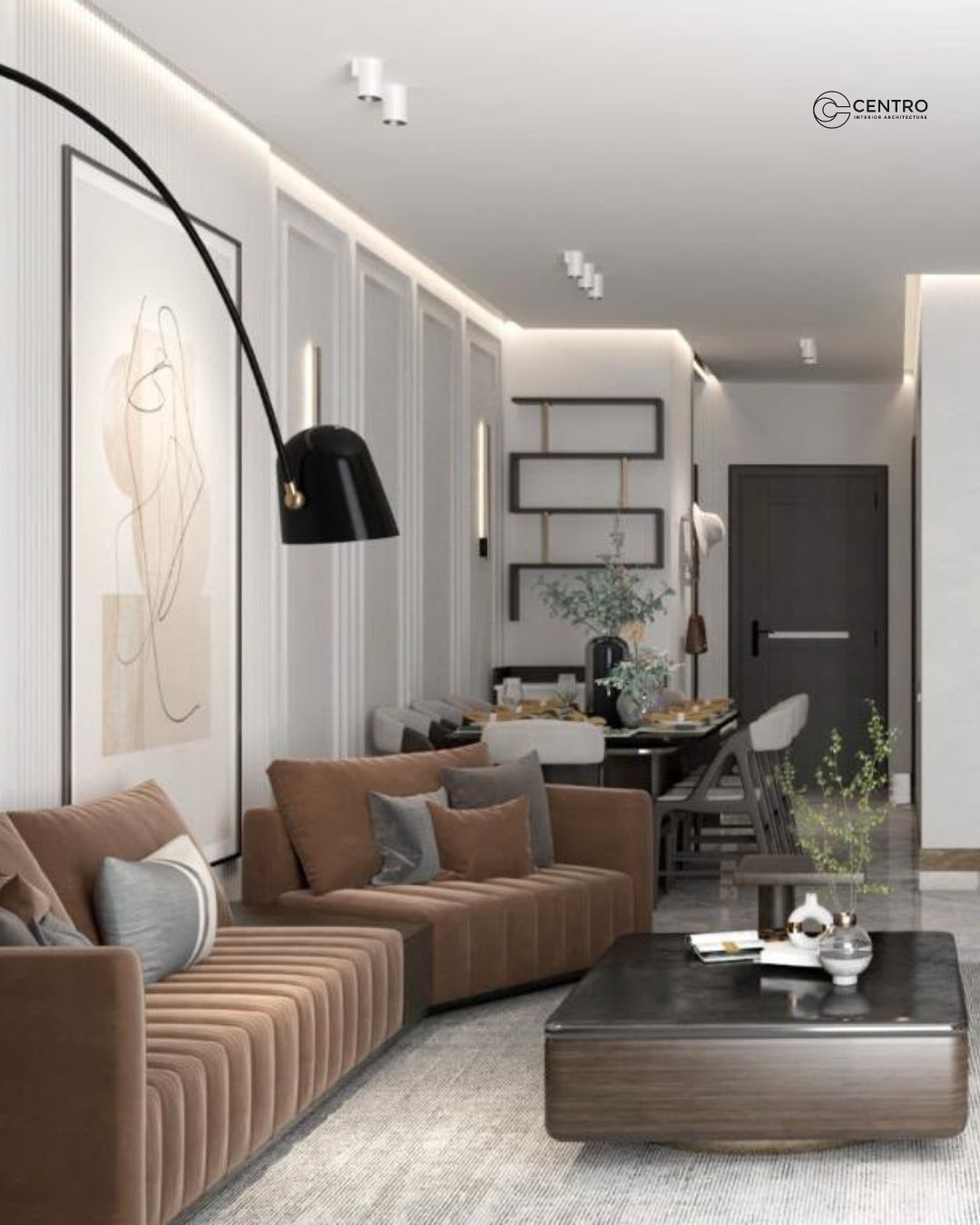
A visualization set that's actually useful for decision-making goes beyond a few pretty hero shots. It should include a full walkthrough of every room from the angles you'll actually experience them from, materials rendered close to their real finish and colour — not a generic placeholder texture — and enough lighting studies to show how the space reads morning, evening, and at night with the fixtures specified.
The clearances that 3D catches and 2D misses
Three things go wrong on site more often than anything else: furniture that doesn't leave enough walking clearance, sightlines that weren't checked from the actual seating position, and ceiling features that clash with structural elements. A full 3D pass, reviewed room by room before execution starts, catches almost all of it on screen instead of on site — where fixing it means demolition, not a redraw.
How to read a render critically
Don't just look at whether a render looks nice — ask whether it's built to scale from the actual survey, whether the materials shown are the real specified products or stand-ins, and whether furniture dimensions match what will actually be ordered. A render that looks great but was modelled loosely will not save you from rework; it just delays the surprise.
Our process
Every Centro project moves through a full technical 2D drawing set and a complete 3D visualization pass before a single wall is touched. Both are signed off with the client — not just the design direction, but the specific materials, fittings and clearances — before procurement and execution begin. It adds time up front. It removes far more time, and cost, from the build.
